

Commercial Master vs Journeyman Electrician Salary (2026)
What journeymen and masters earn in 2026 — by license tier, union status, and region — and how commercial contractors actually hire them.
Commercial electrical compensation in 2026 has separated sharply between journeyman, master, and foreman tiers. Union scales have climbed faster than non-union on the senior end of the curve, and prevailing-wage work continues to lift floor rates on public projects. This guide breaks down what each role earns nationally and what commercial contractors should know about hiring at each level.
Journeyman vs. master electrician salary (2026 national ranges)
- Journeyman electrician (non-union, commercial): $58,000–$88,000 base.
- Journeyman electrician (union scale, commercial): $78,000–$115,000 base plus benefits package. Major metros exceed $130,000 on prevailing-wage work.
- Master electrician (non-union): $80,000–$120,000 base.
- Master electrician (union, supervisory): $105,000–$155,000 base plus benefits.
- Electrical foreman: $85,000–$130,000 depending on crew size and project complexity.
- Commercial electrical project manager: $95,000–$155,000 base; senior PMs on healthcare or higher-education work exceed $170,000.
- Estimator (commercial electrical): $90,000–$135,000 base plus bid-win bonuses where offered.
What separates a journeyman from a master
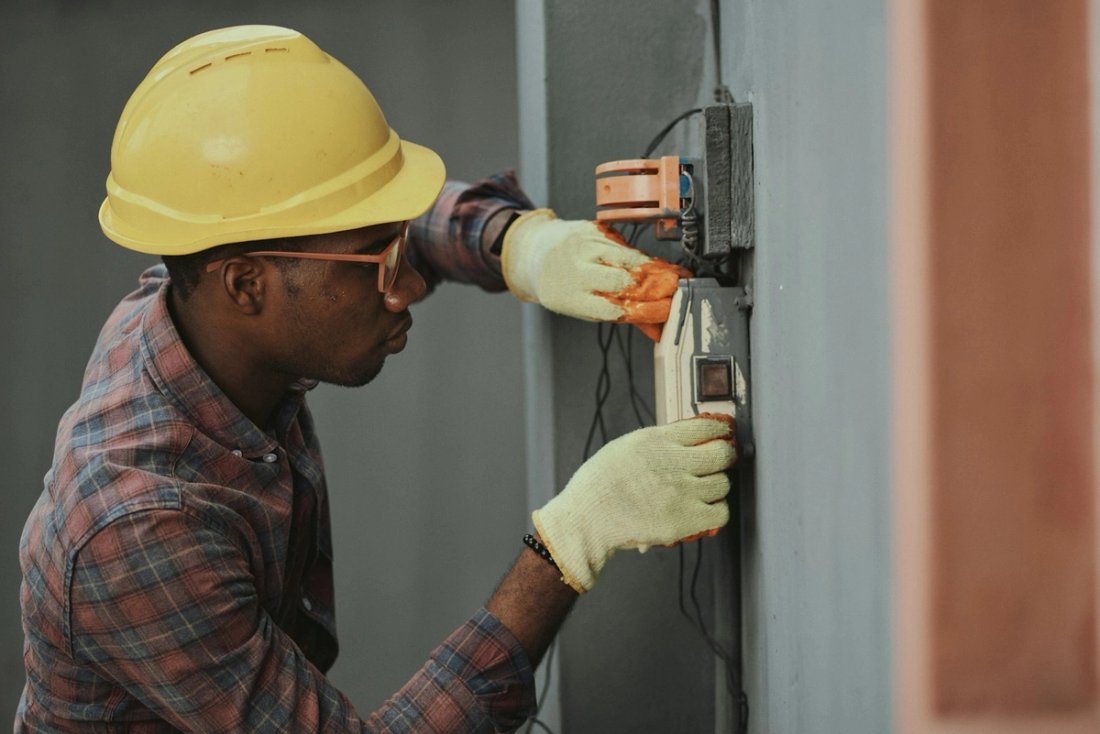
A journeyman has completed an apprenticeship (typically 4–5 years and 8,000 hours) and can work independently under a master's license. A master has additional years and has passed a more advanced state exam. In most states, only the master can pull permits, design installations, and supervise other electricians — which is exactly why the salary differential is so wide.
Certifications that drive premium pay
- State journeyman or master license — non-negotiable for any commercial work.
- OSHA 30 — every senior commercial hand should have this.
- NFPA 70E (arc-flash) — required for energized work on commercial gear.
- Platform experience — Square D, Eaton, ABB. Senior PMs and foremen should know what they are ordering and why.
- Prevailing-wage and PLA experience for public-project bidders.
Why master electrician salaries continue to climb
The master electrician pool is growing slower than commercial demand. Apprenticeship intake has improved but takes 4–5 years to produce a journeyman and additional time to produce a master. Meanwhile commercial backlogs — particularly healthcare, higher education, data center, and renewable adjacencies — keep rising. The result is a senior-side labor squeeze that has lifted master and foreman wages roughly 6–9% annually for three years.
How to actually hire the senior commercial electricians you need
The best commercial electricians in your market are not browsing job boards. They are already employed somewhere. To reach them you have to actually reach out: by phone, through trade-specific channels, and through referrals from people who already trust you. That is the side of recruiting most firms either skip or outsource, and it is the side that determines whether your bench grows or shrinks over the next year.
Retain by closing the credential loop
Once you have hired well, the cheapest way to keep someone is to invest in their next credential. Paying for the master's exam prep, sending crews to NECA training, sponsoring NICET Level II for fire-alarm crossover — these are small line items that produce outsized loyalty. The electrician who leaves for an extra dollar an hour is often the one who never got the next opportunity at home.
Frequently asked questions
How long does it take to hire a commercial electrician?
A skilled journeyman electrician for commercial service work typically takes 45–75 days from kickoff to start date. Senior project managers and master electricians run 90+ days because the pool is smaller and they are almost always employed.
What is the difference between a journeyman and master electrician?
A journeyman has completed an apprenticeship and can work independently under a master's license. A master has additional years of experience and has passed a more advanced exam — and is the only one legally authorized to pull permits, design installations, and supervise other electricians in most states.
What certifications matter most for commercial electricians?
OSHA 30 and NFPA 70E (arc-flash safety) are non-negotiable for any senior commercial hand. Specific platform experience (Square D, Eaton, ABB) matters for PMs and foremen. Prevailing-wage / PLA experience matters if you bid public projects.
How do you keep good electricians from leaving?
The cheapest retention investment in the electrical trade is paying for the next credential — master's exam prep, NECA training, NICET Level II for fire-alarm crossover. The electrician who leaves for a dollar an hour more is usually the one who never got the next opportunity at home.


Keep going.
Tools, guides, and side-by-side comparisons that pair with this article.
2026 Salary Calculator
Role × experience × region → 2026 base-salary range. Pairs with every article.
Open the calculator →Cost of Vacancy Calculator
Estimate what that open seat has cost you so far. Most decisions look different after this.
Run the math →Commercial Electrical — Whitepaper
Industry hiring analysis — labor market, credentials, what works.
Get the download →Commercial Electrical — Salary Guide
What this trade's roles actually pay — by region and credential level.
Get the download →Commercial Electrical — Interview Guide
Role-specific interview questions and a vetting framework.
Get the download →Talent Solutions vs Contingency Recruiters
An honest side-by-side: cost, time-to-fill, incentive alignment, predictability.
Read the comparison →Talent Solutions vs Staffing Agencies
Direct hire vs temp / contract-to-hire — hourly mark-ups, buyouts, loyalty problem.
Read the comparison →Talent Solutions vs Internal Recruiting
What DIY recruiting really costs once leadership time is priced in.
Read the comparison →